AI Content Policy
How the synthetic sample images and video loops on this site are produced, labeled, and removed on request, and what we never publish.
Updated: September 3, 2026 · Author: Clothoff AI Editorial Team · Not legal advice
Summary
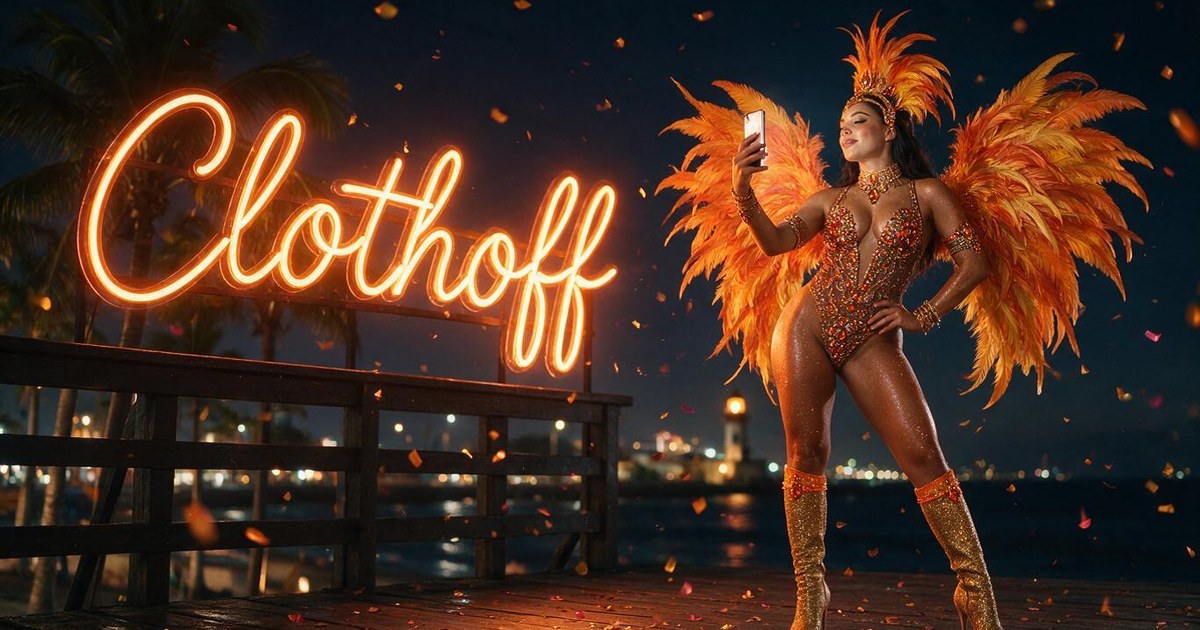
- Every sample image and video loop on this website is synthetic: it was produced by a reviewed third-party tool during an editorial test, from synthetic base images or consented editorial control photos. No real person is depicted.
- Each sample carries a visible caption "AI-generated image (EU AI Act Art. 50 label)", descriptive alt text stating that no real person is shown, and an og:image:alt with the same statement for social previews.
- Machine-readable provenance (C2PA Content Credentials, IPTC digital-source-type metadata) is on our roadmap for hosted files; it is not yet claimed for any asset.
- We never publish depictions of minors, real persons without documented consent, impersonations of identifiable people, or non-consensual intimate imagery, in any form.
- Article 50 of the EU AI Act (Regulation (EU) 2024/1689) applies from August 2, 2026 and is our labeling benchmark, although the site is a US publisher, not an AI provider or deployer in the regulatory sense.
- Text may be drafted with AI assistance; every fact, score, quotation, and legal citation is verified by an editor before publication under the editorial policy.
- Removal requests go through Report a problem, DMCA, or Report NCII; NCII reports have a 48-hour response target.
1. What this policy covers
This policy applies to every visual asset on this website that was produced by an AI system — sample previews on review pages, hero illustrations on hubs and guides, the short video loops shown in the gallery, social-preview (Open Graph) images, and any comparison stills in blog posts. It also applies to text drafted with the help of AI writing assistants.
It does not change what the site is. Clothoff AI is an independent review catalog that tests third-party undress and NSFW image tools. The site has no upload form, runs no model, and stores no visitor images; the only images it hosts are its own labeled editorial assets. The consent rule that governs every review is set out in Responsible AI Principles.
2. How sample images and videos are produced
Samples are by-products of the editorial test protocol described in how we rate. During a test, an editor runs the reviewed tool on the provider's own website with one of two kinds of source material:
- Synthetic base images: portraits generated from text prompts, with no reference photo of any person, so that the output cannot resemble a specific individual by design.
- Consented editorial control photos: photos of adult team members who signed a written consent covering generation, publication, and later removal on request. Control photos are used for scoring; published samples are drawn from the synthetic set whenever possible.
Before a sample is published, an editor confirms three things and records the test date on the review page: the source was synthetic or consented, the output does not resemble a known person, and the file contains no visible third-party watermark or branding that the reviewed provider prohibits reproducing. Samples are cropped or blurred where necessary to keep the page suitable for a review context rather than a gallery of explicit material.
Files are hosted as static assets on this domain only. We do not embed images from the reviewed providers, and we do not accept sample submissions from providers, affiliates, or readers.
3. How samples are labeled
Each synthetic asset is labeled in four places. The first two are visible to every visitor; the last two are read by browsers, assistive technology, and crawlers.
- Visible caption. A figcaption beneath the image or loop reads "AI-generated image (EU AI Act Art. 50 label) — sample preview from a reviewed tool, no real person depicted", followed by the tool name and test date.
- Footer notice. Every page of the site carries a sitewide statement that sample images are AI-generated and depict no real person.
- Alternative text. The alt attribute describes what is shown and states that the image is AI-generated and depicts no real person; the same wording is used for the video poster image.
- Social-preview metadata. The og:image:alt property repeats the statement so that link previews on other platforms carry the label as well.
Machine-readable provenance: roadmap, not a claim
Article 50(2) of the EU AI Act expects providers of generative systems to mark outputs "in a machine-readable format." The reviewed tools are third-party systems, and most of the outputs we tested carried no verifiable provenance signal. We are evaluating two approaches for the files we host ourselves: embedding IPTC photo-metadata that declares the image as trained algorithmic media, and attaching C2PA Content Credentials, the open standard that records "the origin and edits of digital content" (C2PA, accessed September 3, 2026). Until an approach ships and is verified, no asset on this site is described as carrying such credentials.
4. What we never publish
- Any sexualized depiction of a person under 18, real or synthetic, including outputs that appear to depict a minor. Suspected material is reported to NCMEC's CyberTipline and deleted; federal law under 18 U.S.C. §2252A applies regardless of how the image was made.
- Generated images of real persons without documented consent, including public figures, performers, and anyone whose likeness could be recognized.
- Impersonation: outputs that mimic a specific identifiable person, a named account, or a brand's official imagery.
- Non-consensual intimate imagery (NCII) of any kind, whether uploaded to a reviewed tool by a third party or found in a provider's public gallery. Such galleries are scored negatively under the privacy criterion and never mirrored here.
- Unlabeled synthetic media, including in social previews and thumbnails.
The same limits apply to tools we consider for review. A provider that publishes any of the material above in its marketing is refused, and the refusal is counted in the transparency report.
5. Legal reference points
EU AI Act, Article 50. Regulation (EU) 2024/1689 requires providers of AI systems that generate synthetic image, audio, video, or text content to ensure the outputs are marked in a machine-readable format as artificially generated (Art. 50(2)), and requires deployers that create deepfakes to disclose that the content has been artificially generated or manipulated (Art. 50(4)). Under Article 113, these transparency obligations apply from August 2, 2026 (Regulation (EU) 2024/1689, EUR-Lex, accessed September 3, 2026). The European Commission's official AI Act questions-and-answers page confirms the August 2, 2026 application date for the Article 50 obligations (European Commission, accessed September 3, 2026). Clothoff AI is neither a provider nor a deployer of such a system; we adopt the Article 50 wording as a voluntary labeling standard because readers in the EU and elsewhere recognize it.
United States. There is no general federal labeling mandate for synthetic images as of September 3, 2026. The relevant federal rule is the TAKE IT DOWN Act (Public Law 119-12), which criminalizes non-consensual publication of intimate depictions including "digital forgeries" and requires covered platforms to remove reported material within 48 hours (S.146, Congress.gov, accessed September 3, 2026). State statutes on intimate deepfakes are summarized in Responsible AI Principles.
6. AI assistance in drafting text
Editors may use AI writing assistants to outline, draft, translate terminology, or check grammar. Three rules apply. First, every score, test observation, price, quotation, and legal citation is verified by an editor against the primary source before publication; the assistant's output is never the source of a fact. Second, scores and rankings are decided by editors on the basis of the dated test protocol, not generated. Third, pages that used drafting assistance are held to the same editorial policy and corrections process as pages written without it. We do not publish AI-generated reviews of tools we have not tested.
7. Takedown and correction route
Non-consensual or minor-related content
Use Report NCII or ncii@clothoff.ai. Reports are handled with priority; the asset is removed on receipt of a plausible report while we verify.
Copyright or trademark
Follow the DMCA procedure or write to dmca@clothoff.ai with the URL and the work claimed.
Wrong or missing label, factual error
Use Report a problem or editorial@clothoff.ai. Label fixes are applied within 5 business days and logged on the page.
Counts of reports and their handling times are published every 6 months in the transparency report.
Contact
Questions about this policy or a specific asset: editorial@clothoff.ai. Non-consensual imagery: ncii@clothoff.ai. Copyright: dmca@clothoff.ai. Please send URLs rather than attachments. This page was first published on September 3, 2026 and is reviewed at least every 6 months.
Related policies
- Responsible AI Principles — consent rule and US law on intimate deepfakes
- Editorial Policy — verification, corrections, and independence
- Disclaimer — limits of editorial content and synthetic imagery note
- Report NCII — removal procedure with 48-hour target
- DMCA — copyright notice procedure
Frequently Asked Questions
Are the people in the sample images real?
No. Every sample is generated by a reviewed third-party tool from a synthetic base portrait created by text prompt, or in a few scoring cases from a consented editorial control photo. An editor confirms before publication that the output does not resemble a known person, and the caption says so.
What does the EU AI Act Art. 50 label mean on a US site?
Article 50 of Regulation (EU) 2024/1689 sets transparency duties for synthetic content that apply from August 2, 2026. Clothoff AI is a US publisher and not bound by it as a provider or deployer, but we use its wording as a clear, widely recognized labeling standard for every synthetic asset we host.
Do your images carry C2PA Content Credentials?
Not yet. C2PA and IPTC provenance metadata are on our roadmap for the files we host, and we will state on this page when an approach ships and has been verified. Until then no asset on the site is described as carrying machine-readable credentials, only the visible and alt-text labels.
Is any part of the text written by AI?
Editors may use AI writing assistants for outlines and drafts. Every fact, price, score, quotation, and legal citation is verified by an editor against the primary source before publication, and scores are decided by editors after a dated test. We do not publish reviews of tools we have not tested.
How do I get a sample image removed?
For non-consensual or minor-related concerns use Report NCII or ncii@clothoff.ai; reports are handled with priority and the asset comes down while we verify. Copyright claims go through the DMCA page. Label errors and other problems go to Report a problem or editorial@clothoff.ai.
Why show sample images at all?
Readers comparing tools need to see output quality, artifacts, and censorship behavior, which are scored under the quality criterion. Labeled synthetic samples from the actual test let readers verify our observations without visiting an adult provider, while keeping every depicted figure fictional and every asset clearly marked.